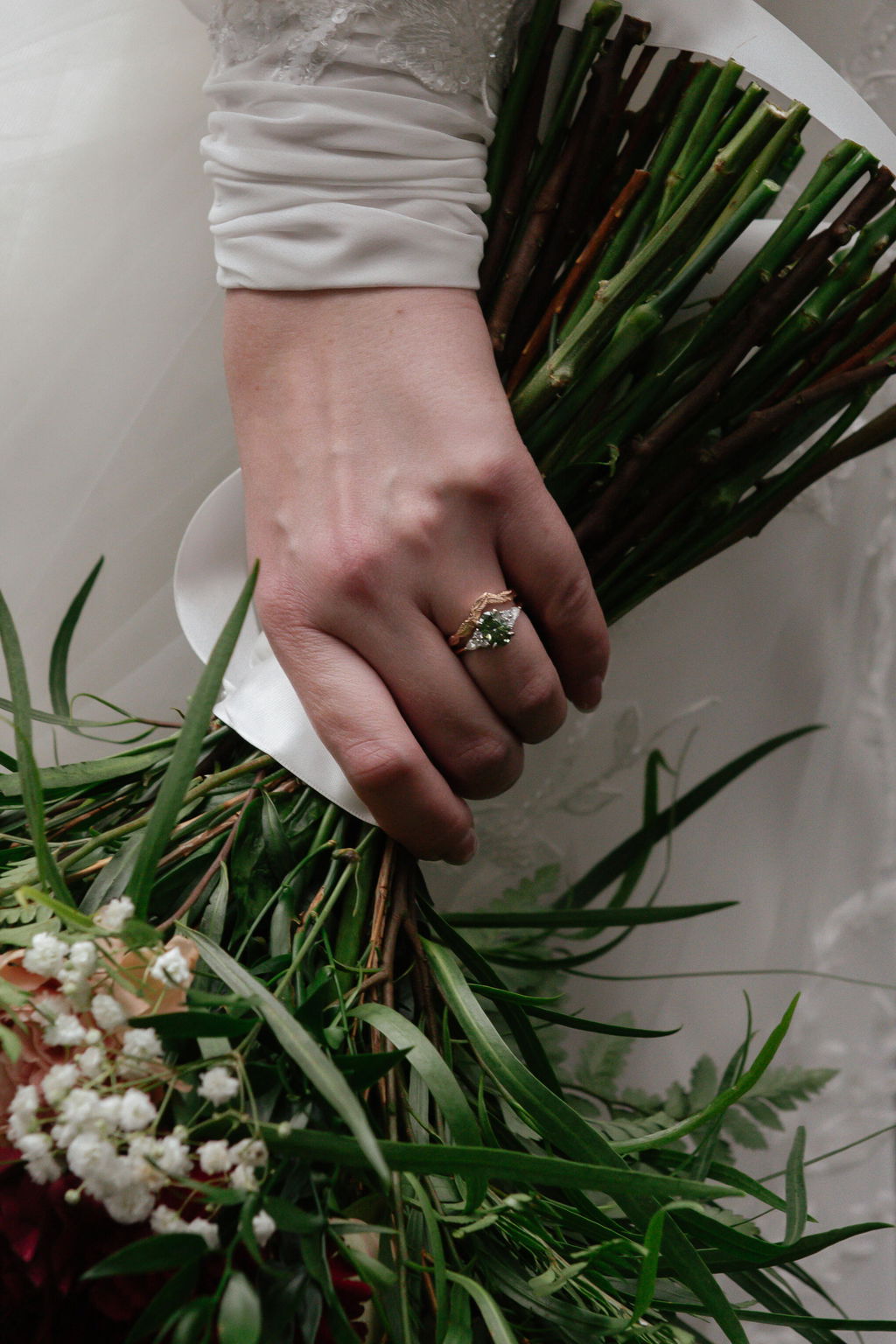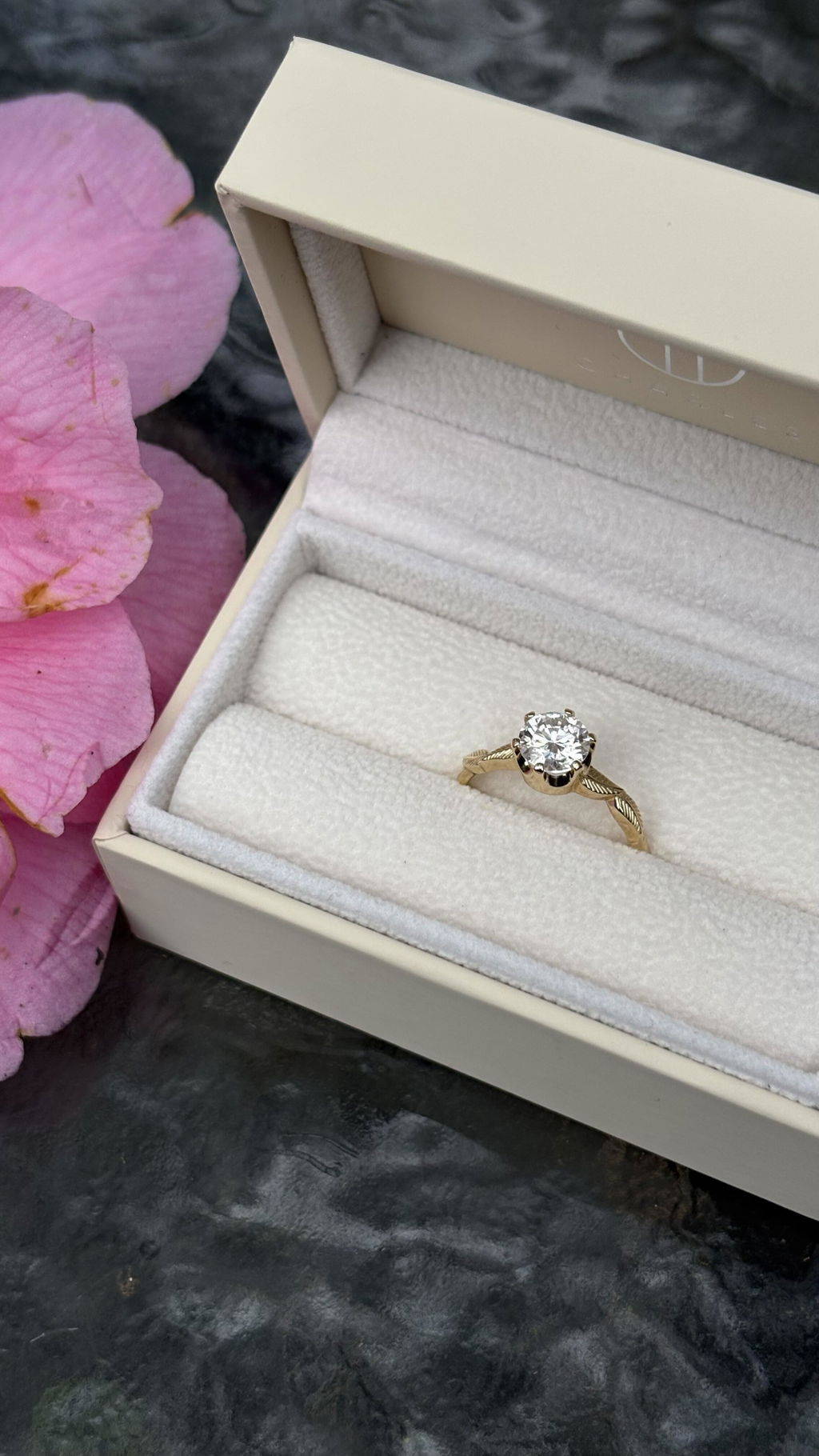


mDiamonds have always been the “main character” in jewellery as they're flashy and glamorous. But lately, there's a new way to get that same sparkle. Lab grown diamonds are catching on with couples who want something beautiful, but also care about ethics, the environment, and doing things a little differently.
At first, it might sound a bit crazy, a diamond grown in a lab? Can it really live up to the ones people have been obsessing over for generations? Surprisingly, yes.
In this blog, we'll explain how are lab grown diamonds made and what makes them so special.
The Difference Between Natural and Lab Grown Diamonds
Natural diamonds take their sweet time. Millions of years, in fact. Deep under the Earth, carbon gets heated until it turns into a diamond. Sometimes volcanic activity pushes them closer to the surface, and eventually, humans dig them up to make jewellery.
Lab grown diamonds are made using the same process, just a lot faster. Scientists recreate the heat and pressure in a lab, and a real diamond grows in a fraction of the time.
The Two Main Ways to Make a Lab Grown Diamond
There are two main ways to create lab grown diamonds, and both start with something called a diamond seed. It's a tiny piece of diamond that gives the new stone something to grow from.
High Pressure High Temperature (HPHT)
This one basically copies what nature does deep underground. A tiny diamond seed goes into a super-powerful machine that cranks up the heat and pressure. Carbon is added, melts, and slowly builds onto the seed until you have a brand new diamond.
Pros:
- Creates very strong diamonds that are great for jewellery.
- It's a well-established process that's been refined over many decades.
Cons:
- Sometimes the diamonds can have a slightly yellowish tint because of the high pressure.
- The equipment uses a lot of energy, which can make the process less eco-friendly than other methods.
Chemical Vapour Deposition (CVD)
This method sounds like something out of a sci-fi novel but it's real. Scientists pop the diamond seed into a chamber, fill it with carbon-heavy gas (usually methane), crank up the heat, and let the carbon in the gas slowly settle on the seed. And just like that, a diamond starts to grow.
Pros:
- The process gives scientists more control over the colour, so these diamonds tend to be very pure and look a lot like mined diamonds.
- It's an energy-efficient and eco-friendly process.
- Produces diamonds with excellent brightness and a very clean appearance.
Cons:
- The process takes longer and can be more expensive to run.
- The equipment and conditions need to be very precise, which makes production slower. However, it's still a lot quicker than the natural, traditional process.
Adding the Finishing Touches
Even after it's grown, a lab diamond still looks a bit rough around the edges. It needs to be cut, shaped, and polished before it really shines like the diamonds you're used to seeing.
Even experts sometimes need special tools to tell a lab diamond from a mined one. Most people wouldn't have a clue that they're not the real deal. They're basically carbon copies.
Why Are So Many People Are Choosing Lab Grown Diamonds?
There's a reason more and more couples are falling in love with lab grown diamonds and it's not just about how they sparkle.
- They are better for the planet since they don't need big mines, so there's less impact on nature and communities.
- They are often cheaper than mined diamonds of the same size and quality, so you'll be able to afford a bigger or nicer stone.
- You know exactly where they come from, so you can feel good about buying them.
At Vinny & Charles, we really care about every ring we make. We want it to last and to feel truly special for whoever is lucky enough to wear it. You might be planning a proposal or just treating yourself. Our lab grown diamond rings are made to be part of your story. Take a peek at our collection or let us know if you want us to design something one-of-a-kind.