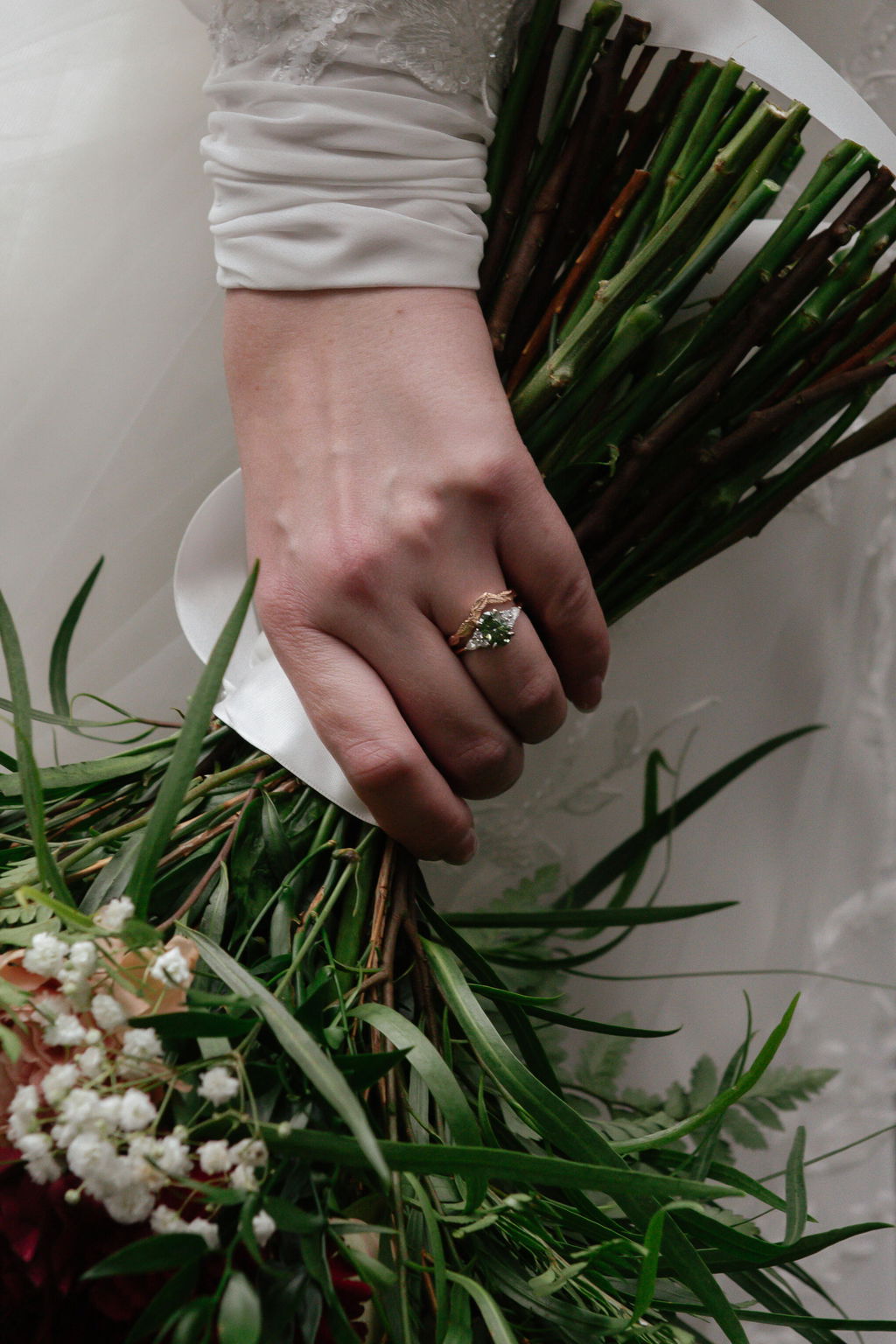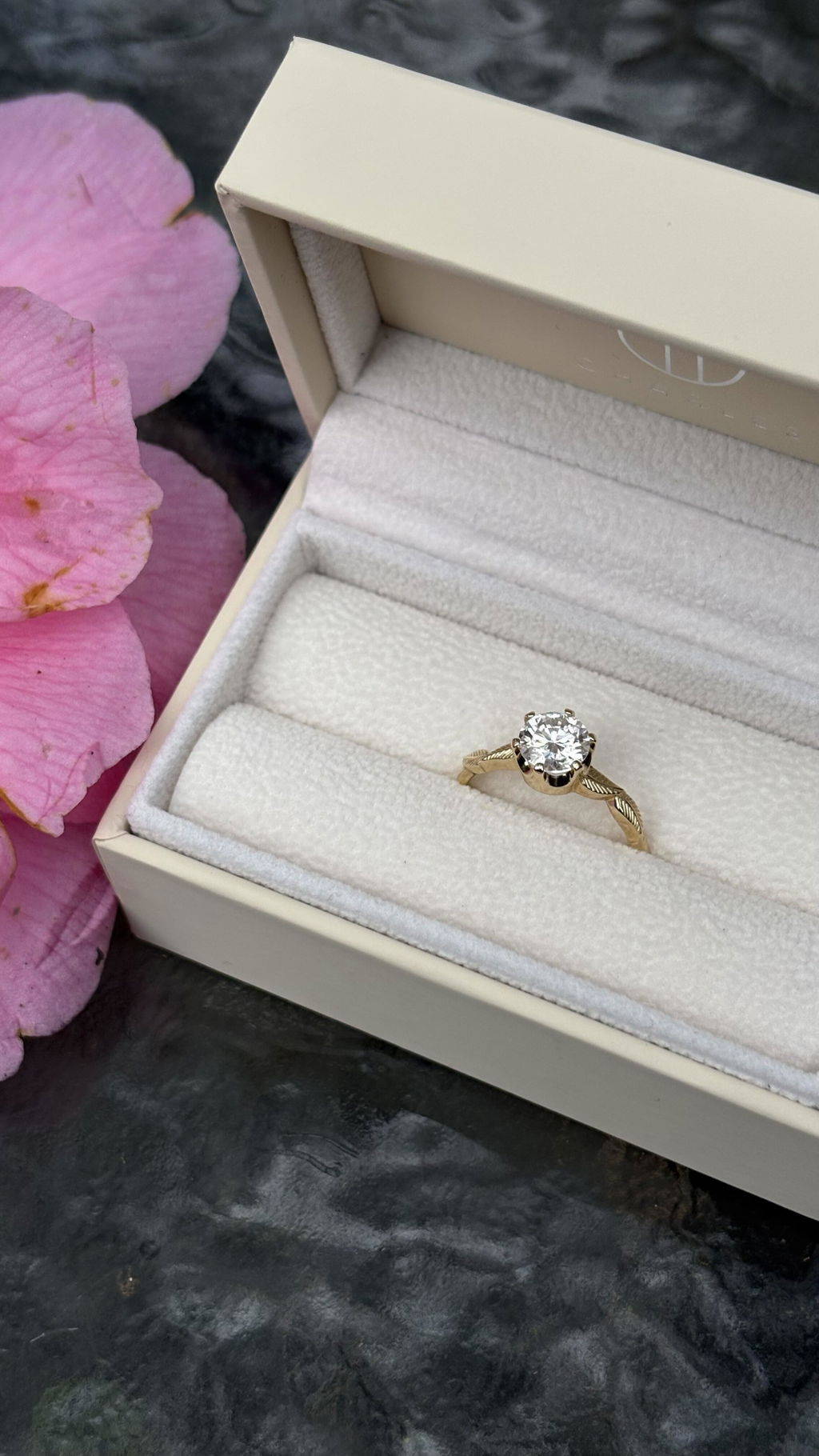


Sapphire value depends on colour, clarity, cut, size, treatment and certification, and for some rare stones origin adds to the price as well. A sapphire ring is best bought for meaning and everyday wear rather than as an investment, because jewellery bought at retail usually resells for less than you paid. Here is how sapphire value works and how to protect it.
Key Takeaways
- Colour is the biggest driver of sapphire value, followed by clarity, cut, size, treatment and origin.
- A certificate from an independent gem lab confirms whether a stone is natural or lab-created and discloses treatments.
- Coloured stones do not follow a fixed price list the way diamonds do, so two sapphires of the same weight can cost very different amounts.
- Retail jewellery rarely resells for its purchase price, so buy a ring for the story and the daily wear.
- Keep receipts, certificates and service records, and review your insurance valuation regularly.
What Determines the Value of a Sapphire
Colour is the single biggest factor in sapphire value. The most valued stones show a rich, even hue that is neither too dark nor too pale, and a vivid blue, a clear teal or a well balanced parti stone will usually be worth more than a dull stone of the same size.
Several other factors work alongside colour:
- Clarity. Sapphires often contain small inclusions, and fewer visible ones generally means a higher price.
- Cut. A well cut stone reflects light evenly, while a poorly cut one can look flat or patchy.
- Size. Larger stones of good quality are rarer, so the price per carat tends to rise with size.
- Treatment. Many sapphires are heated to improve colour or clarity, which is a normal and accepted practice when it is disclosed. Untreated stones of fine quality are rarer and usually priced higher.
- Origin. Some origins carry a premium for top quality stones, but origin cannot make up for weak colour or clarity.
A big stone with poor clarity and washed out colour is not automatically valuable, so look at the whole picture rather than size alone.
Why Certification Matters
A certificate from an independent gemmological laboratory is the best proof of what you are buying. It confirms whether the sapphire is natural or lab-created, describes any treatment and records the stone's weight and measurements.
Some reports also include an opinion on geographic origin, but origin opinions are not always possible, and they are usually requested for larger, higher value stones. If a seller makes a specific claim about a stone, ask to see the paperwork that supports it.
Keep your documents somewhere safe. They help if you ever sell, upgrade or insure the piece, and our page on insurance replacement value explains how to think about covering your ring.
Sapphires Compared With Diamonds
Sapphires are priced very differently from diamonds. Diamonds are graded on the four Cs, and the grading system gives buyers a common language for comparing stones. Coloured gemstones are more subjective, so the market is harder to read.
Two sapphires with the same carat weight can have very different prices because one has a more desirable shade, better clarity or a better cut. This is one reason a sapphire ring feels so individual: you are choosing a specific stone, not a standard grade.
Natural and lab-created sapphires also differ in price. A lab-created sapphire has the same chemical makeup as a natural one, but it is typically more affordable than a natural stone of similar size and colour because it is easier to produce. Natural stones generally command a premium for their rarity. Neither is wrong, and the right choice depends on your budget and what matters to you. Our guide to sapphire engagement rings in Australia covers more of the buying decisions.
How to Protect the Value of Your Sapphire Ring
You protect a sapphire ring's value by choosing quality materials, documenting your purchase and looking after the piece. A classic setting in solid gold tends to stay appealing for longer than a very trend driven design, so think about the ring you will still love in twenty years.
- Keep your paperwork. Store receipts, certificates and any valuation together.
- Service the ring regularly. We suggest a service every 6 to 10 months to check that stones are secure.
- Clean it gently. Use a soft brush, warm water and mild dish soap, and store the ring away from direct sunlight and heat.
- Review your insurance. Update the valuation if the price of gold or stones changes.
At Vinny & Charles, every ring is handcrafted in gold, and our lifetime warranty against manufacturing defects includes one free routine inspection, clean and polish each year.
The Reality of Jewellery as an Asset
A sapphire ring is best treated as something you wear and treasure, not a financial product. When you buy at retail, the price includes the jeweller's craftsmanship, overheads and service. If you later sell privately, you are no longer a retailer offering warranties, so offers usually come in below what you paid.
No jeweller can promise that a stone will rise in value, and gem prices can move in either direction. The return on a sapphire ring is the daily pleasure of wearing it and the chance to pass it down. To find a stone you will love for years, explore our sapphire engagement rings or ask us about a custom design.
Frequently Asked Questions
Are Australian sapphires valuable?
Value depends on the individual stone. Colour, clarity, cut, size, treatment and certification all matter, and fine quality stones are rarer than average ones. Origin can add to the price of some rare sapphires, but it cannot replace quality. Ask for a gem lab report so you know exactly what you are buying.
Is a sapphire engagement ring a good investment?
A sapphire ring is better thought of as a meaningful purchase than an investment. Retail jewellery usually resells for less than its purchase price, and gem prices can rise or fall. Buy a stone you love, keep your documents and choose a ring you will enjoy wearing every day.
Does a gemstone certificate increase a sapphire's value?
A certificate does not make a stone better, but it proves what the stone is. It confirms whether it is natural or lab-created, discloses treatment and records its measurements. That clarity builds buyer confidence, helps with insurance and supports a fair price if you ever sell or upgrade.