

Australian sapphires are best known for deep, saturated blues, earthy greens and parti colours, where several shades appear in a single stone. That character sets them apart from sapphires mined in Sri Lanka, Madagascar or Montana, although the only reliable way to confirm where any sapphire came from is a gemmological report. This guide explains how Australian stones differ, where they come from and how to check origin before you buy.
Key Takeaways
- Australian sapphires are known for deep blues, rich greens, yellows and parti stones that show two or more colours at once.
- Most Australian sapphires come from Central Queensland and the New England region of New South Wales.
- Origin is confirmed by documentation, not by looks alone, and even a gem lab cannot always name a country.
- Colour, clarity, cut and treatment matter as much as origin when you judge a sapphire.
- Vinny & Charles offers natural and lab-created sapphires in blue, teal, green, pink and orange, so ask us about a specific stone if origin matters to you.
How Australian Sapphires Look Different: Deep Blues, Greens and Parti Stones
Australian sapphires are best known for deep, saturated colour. Many are a dark, inky blue that can look almost black in low light and then show richer blue in daylight, which gives them a moody, dramatic look that suits bold designs.
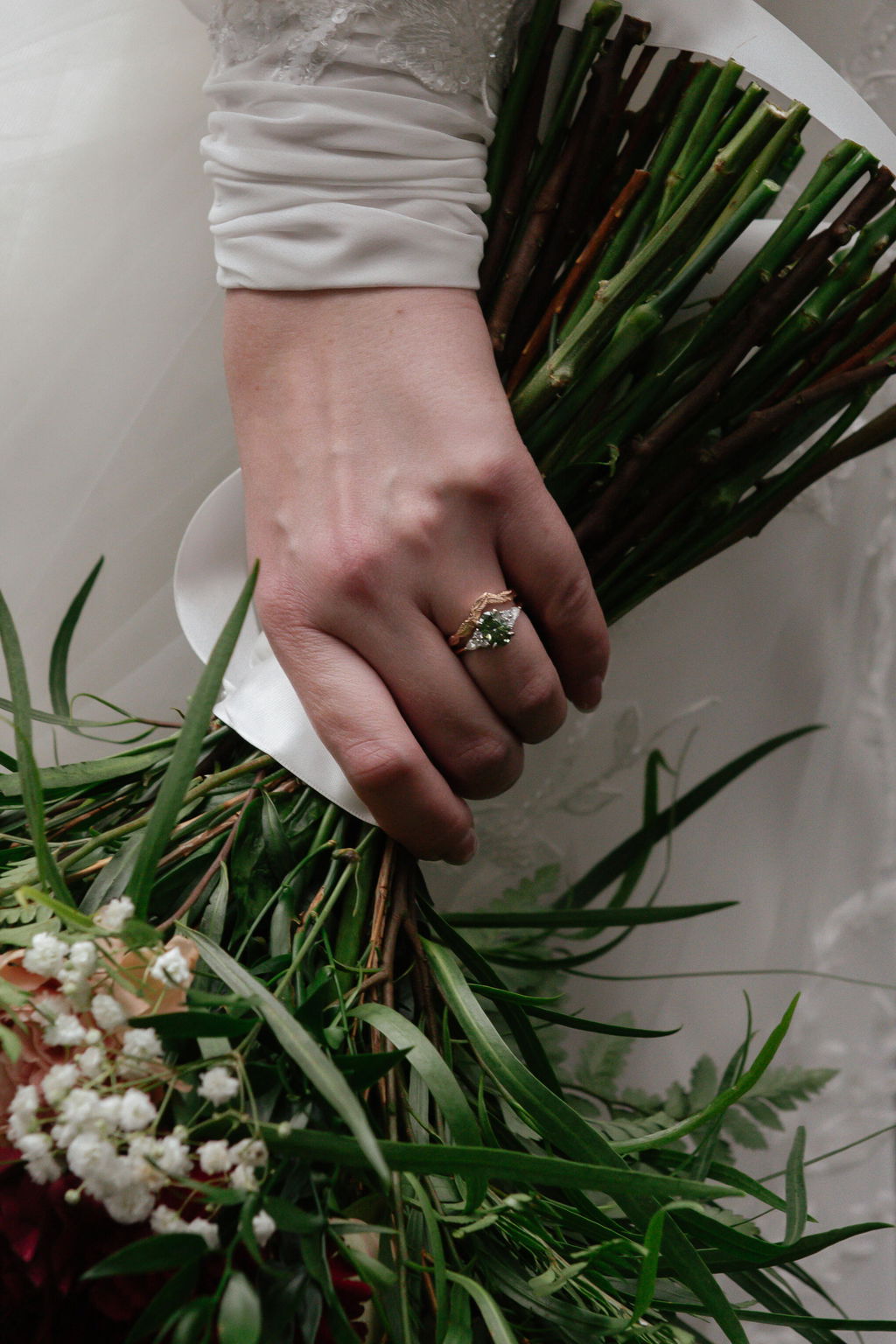
Australian stones also come in earthy greens, teals and yellows. The most distinctive are parti sapphires, which show two or three colours in one gem, such as zones of blue, green and yellow. Because the colour zoning forms naturally as the crystal grows, no two parti stones look alike.
Other origins have their own character. Sri Lankan sapphires are often prized for lighter, brighter blues, while Montana stones are often smaller, with steely or pastel tones. None of these is better than the others. They are simply different styles, so choose the colour you will enjoy looking at every day.
Where Australian Sapphires Are Mined
Australian sapphires come mainly from two regions: the Central Queensland gemfields and the New England region of New South Wales. Both areas have a long history of sapphire mining and fossicking, and many of the operations are small and family run.
Mining in Australia is regulated at state level, with requirements around permits and rehabilitating the land after mining. Workers are also covered by Australian labour and safety laws. That framework is one reason many buyers feel comfortable with Australian stones, although practices still vary between operations, so it is worth asking a jeweller what they can tell you about a particular stone.
How to Check a Sapphire's Origin and Treatment
The most reliable way to check a sapphire's origin is a report from an independent gemmological laboratory. A good report states whether the stone is natural or lab-created, describes any treatment such as heating, and for some stones includes an opinion on geographic origin.
Labs reach an origin opinion by examining the tiny inclusions inside a stone and its trace chemistry. This is expert work, but it is not always conclusive, and origin reports are usually requested for larger or higher value stones rather than every small gem. Keep these points in mind:
- Ask for the report, not just the claim. If a seller names a specific origin, ask to see documentation that supports it.
- Check the treatment disclosure. Heating is common in sapphires, and it should be stated clearly.
- Match the report to the stone. Confirm the weight and measurements on the report fit the stone you are buying.
Be cautious if a jeweller promises a premium origin but cannot provide paperwork. A trustworthy seller will explain what they know and what they do not.
Natural and Lab-Created Sapphires at Vinny & Charles
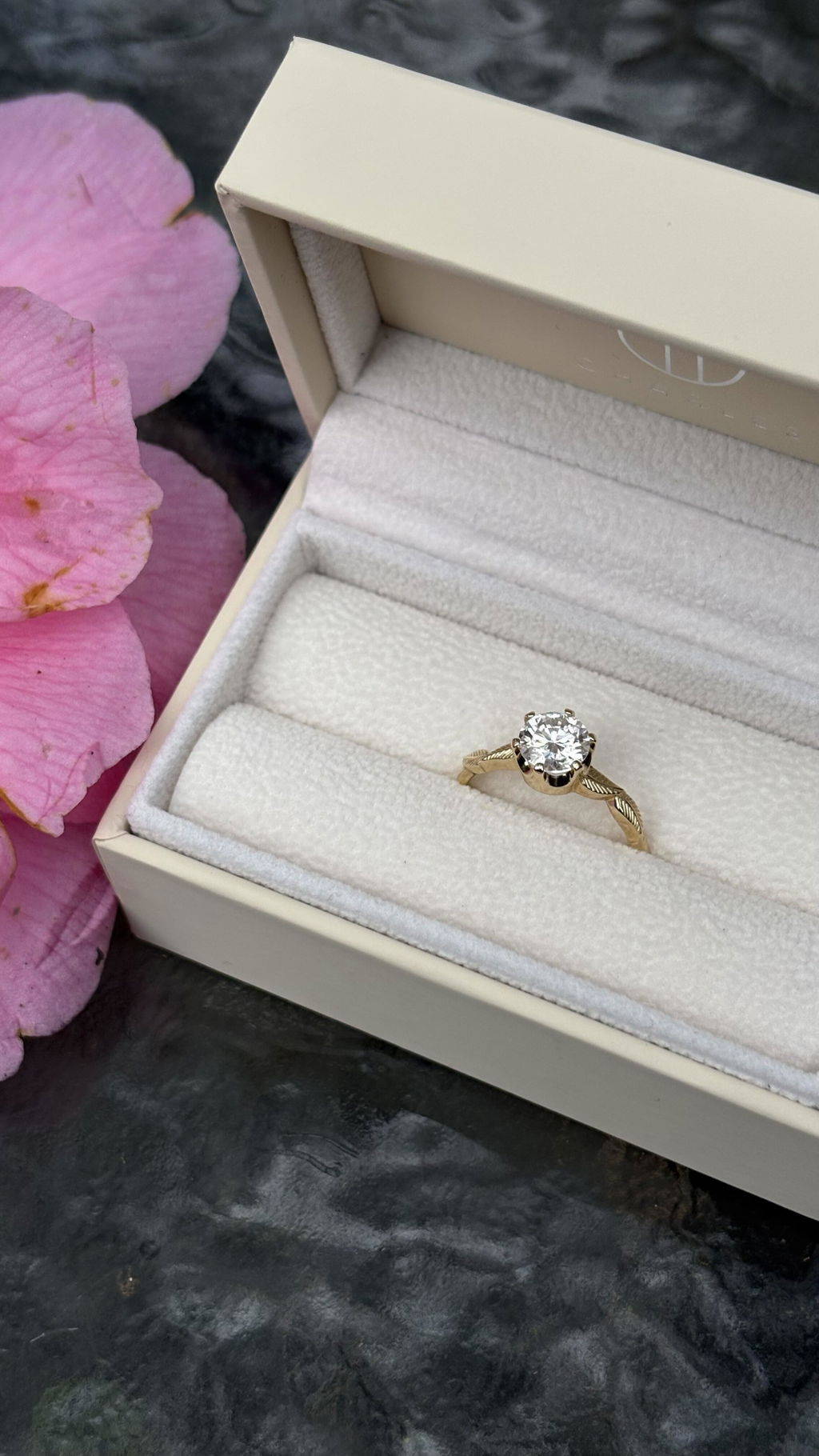
Vinny & Charles offers both natural and lab-created sapphires, handcrafted into gold rings in our Perth workshop. Our Blue Sapphire Leaf Engagement Ring, for example, is set with a natural round blue sapphire, while other designs use lab-created stones.
A lab-created sapphire is chemically identical to a natural one but grown in a controlled setting rather than mined. It is a popular choice for buyers who want strong colour and a traceable source, and you can read more in our guide to Australian sapphire rings.
Our sapphire range includes blue, teal, green, pink and orange stones. If a specific origin matters to you, ask us about the stone you are considering before you order. If you would like something more personal, such as a parti stone or a particular colour, our custom ring service lets you design the ring with us.
Why Provenance Matters, and What It Does Not Guarantee
Provenance matters because it tells the story of your stone and helps you make an informed choice. It can also influence the price of some rare, high quality sapphires, but a stone does not become more valuable simply because of where it was mined.
Colour, clarity, cut and treatment all shape how a sapphire looks and what it is worth. A beautiful stone with honest documentation is a better choice than an average stone with a famous origin. The best approach is to choose a sapphire you love, ask questions about where it came from, and keep any paperwork safe.
When you are ready to compare designs, browse our sapphire engagement rings or book a free ring design consult to talk through colour, metal and setting.
Frequently Asked Questions
What makes Australian sapphires different from other sapphires?
Australian sapphires are best known for deep, saturated blues, rich greens, yellows and parti colours that combine several shades in one stone. Other origins, such as Sri Lanka, often produce lighter and brighter blues. The difference is in style rather than quality, so choose the colour that suits you.
Where are Australian sapphires mined?
Most Australian sapphires come from the Central Queensland gemfields and the New England region of New South Wales. Mining in Australia is regulated at state level, with requirements covering permits and land rehabilitation, although practices vary between operations. Ask your jeweller what they can tell you about the stone you are considering.
How can I tell if a sapphire is from Australia?
You cannot tell by eye alone. An independent gemmological report can state whether a stone is natural, list any treatment and sometimes give an opinion on origin, based on inclusions and trace chemistry. Origin is not always conclusive, so ask for documentation if a seller names a specific country.